
Radiant Barriers in Arizona
Reflective radiant barriers that turn back the desert sun's radiant roof heat before it loads your attic.
Radiant barriers address a specific kind of heat: the radiant energy that comes off a hot roof deck after hours of sun. In a Phoenix-area attic, that heat can wash across insulation, ductwork, and ceiling surfaces even when the attic already has loose-fill or batt insulation.
Premier Insulation Phoenix installs radiant barrier systems for homes and commercial buildings in Phoenix, Scottsdale, Tempe, Mesa, Chandler, Glendale, and Peoria. A barrier is not a replacement for insulation, but it can be useful when the attic conditions support it.
How Radiant Heat Moves Through An Attic
Heat moves by conduction, convection, and radiation. Standard insulation mainly slows conductive and convective heat flow. Radiant heat moves across open space from a hot surface toward a cooler one, which is why a sun-baked roof deck can affect the entire attic below it.
A radiant barrier uses a reflective surface to interrupt that radiant transfer. Installed in the right place, it can reduce the amount of roofline heat that reaches the attic floor, ductwork, and ceiling assembly.
Where A Radiant Barrier Is Installed
In many retrofit attics, foil material is installed along the underside of the rafters with the reflective face oriented toward the attic air space. In new work, radiant barrier products may be integrated earlier in the roof assembly.
Placement matters because the barrier needs to sit where radiant heat is moving. It is often considered for attics with ductwork, garages with finished ceilings, shops, and metal structures exposed to long hours of direct sun.
Why The Reflective Surface Needs An Air Gap
A radiant barrier needs an open air space facing the reflective side. If the foil is pressed directly against another material or buried under insulation, heat can conduct through it and the reflective benefit is reduced.
Dust also matters in desert attics. A surface that collects dust can lose reflectivity over time, which is why installation location and orientation should be planned instead of treated as an afterthought.
A Complement To Insulation, Not A Substitute
Radiant barriers and insulation handle different pieces of the same attic problem. The barrier reduces radiant heat moving from the roof deck, while insulation slows heat moving through the ceiling plane.
A strong attic plan may include air sealing, adequate insulation depth, and a radiant barrier where conditions make sense. Premier Insulation Phoenix can evaluate those layers together so the scope addresses the attic as a system.
What To Expect In Arizona Conditions
A properly placed radiant barrier can help reduce roofline heat transfer on peak-sun days, especially in attics where ducts or mechanical equipment sit under the roof. Results vary with roof color, orientation, shade, ventilation, and existing insulation.
It does not seal air leaks, add meaningful R-value, or fix poor ventilation by itself. If the attic first needs insulation depth, cleanup, or air sealing, that should be part of the recommendation.
What A Free Estimate Covers
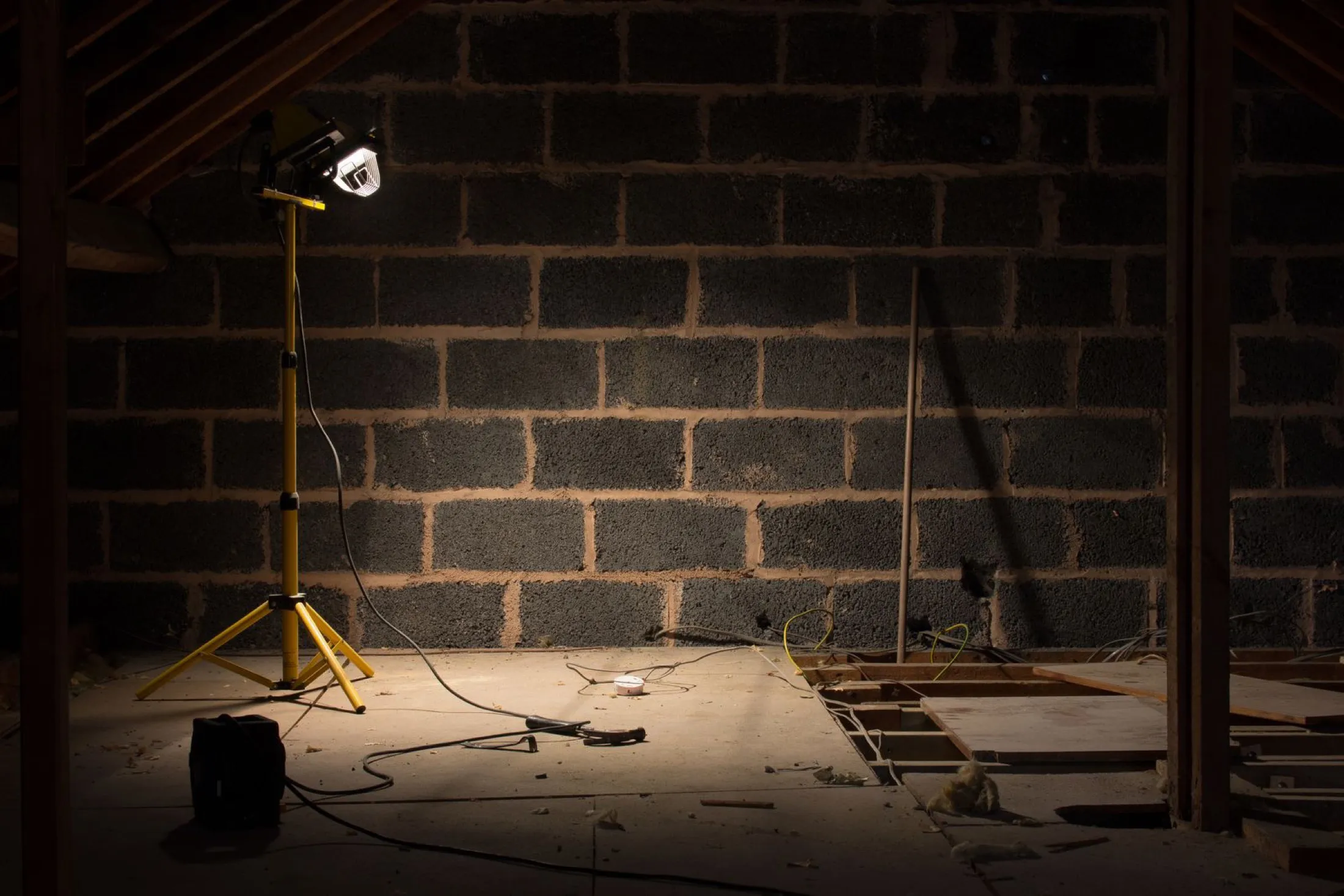
A radiant barrier estimate should include a look at rafter layout, access, roof deck condition, existing insulation, duct locations, and ventilation. Those details determine whether a barrier can be installed cleanly and where it would actually work.
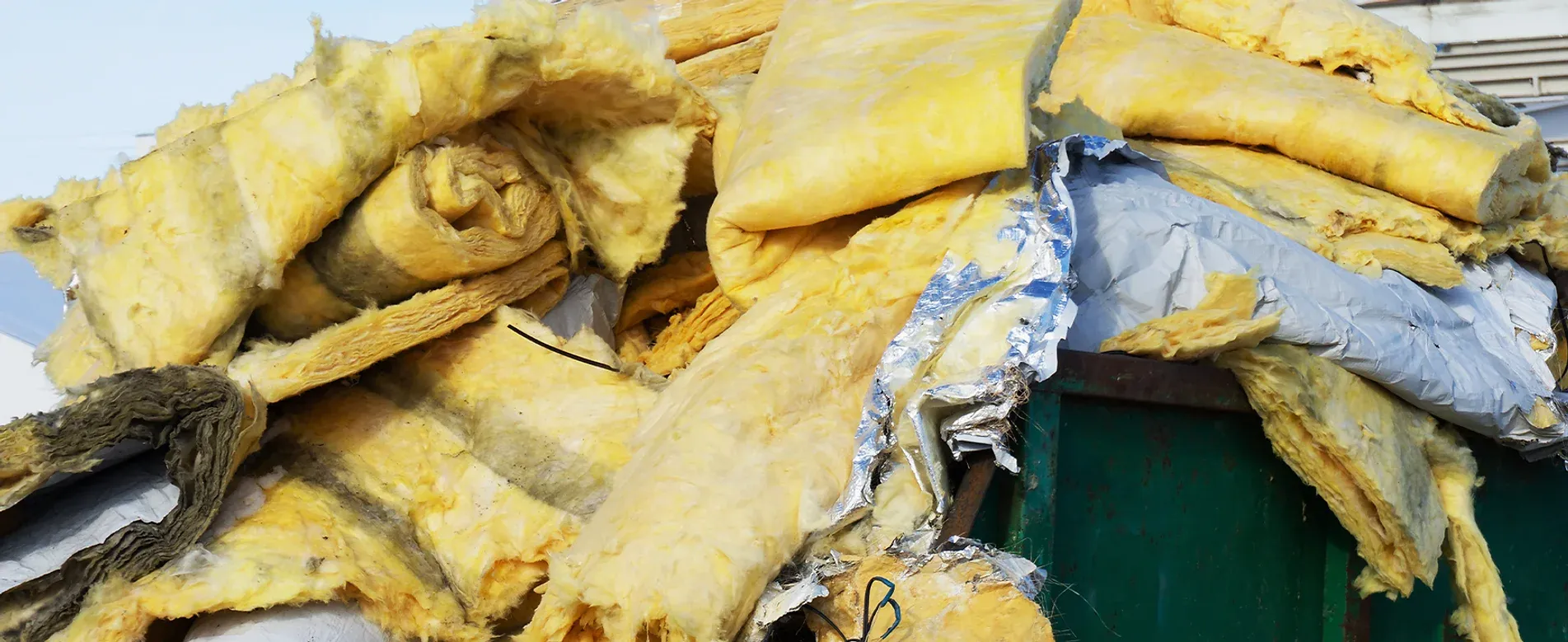
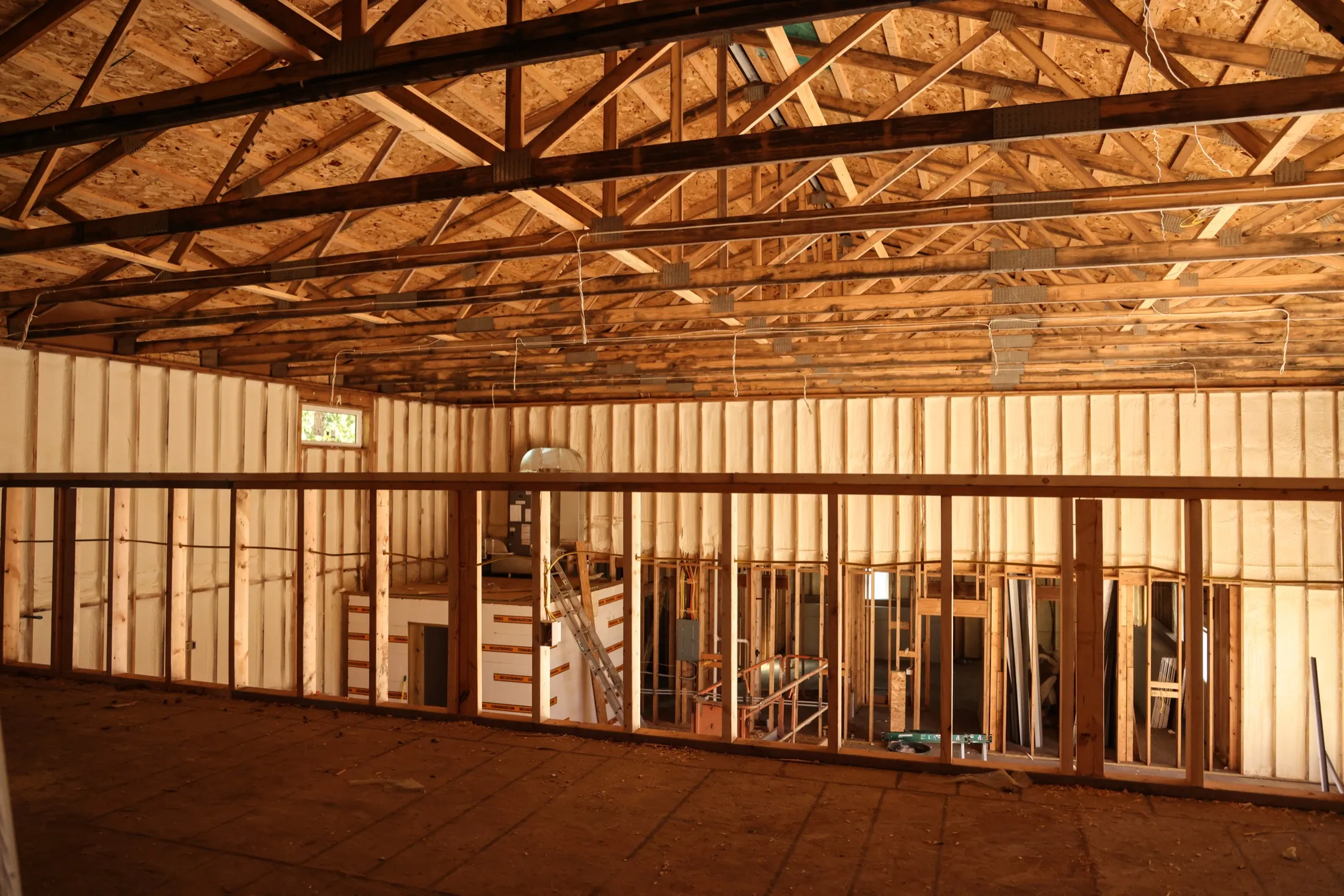
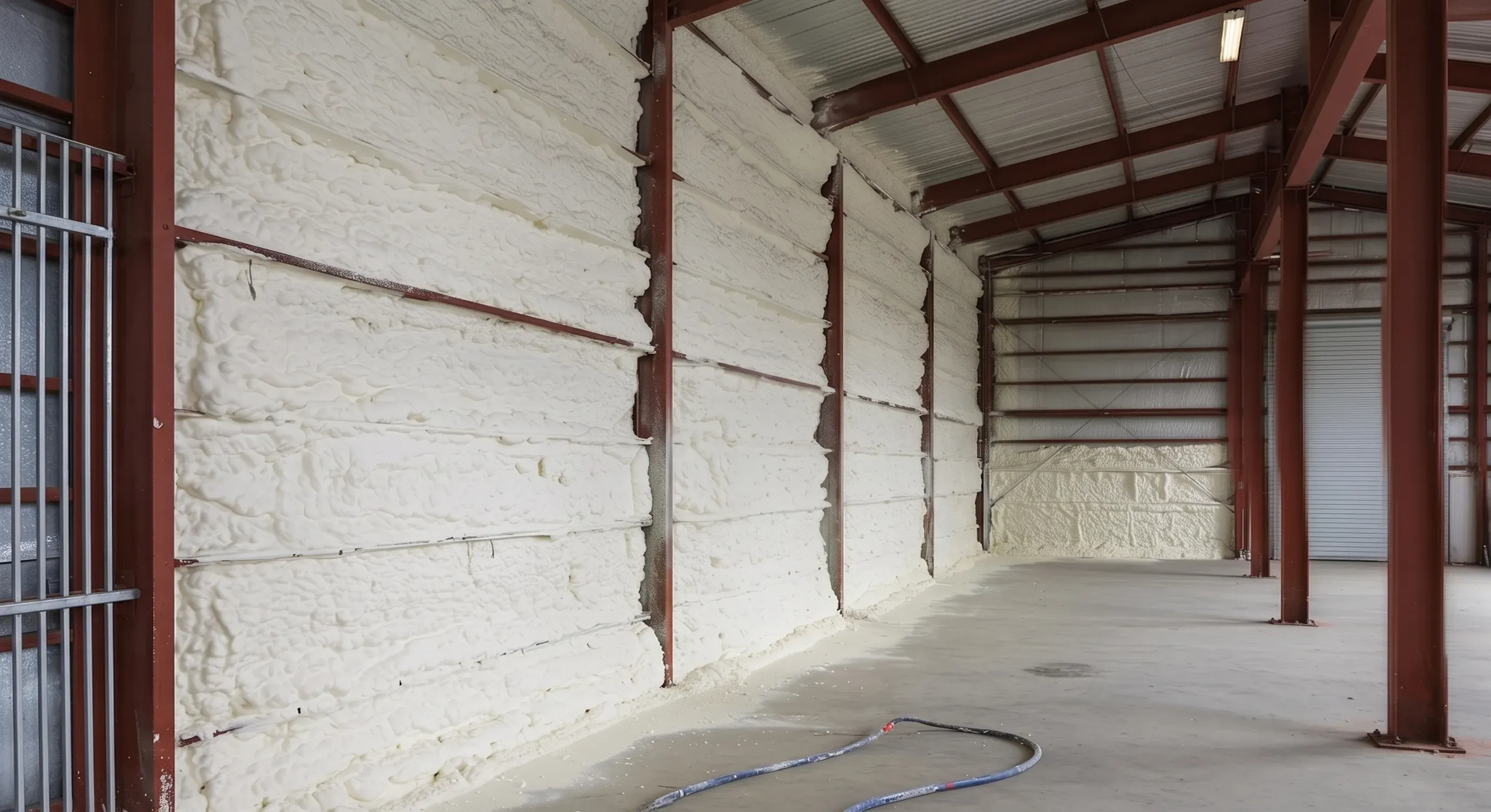
The visit can also cover whether the project should be paired with air sealing, blown-in insulation, spray foam, or removal. The scope should explain the order of work instead of selling the barrier as a standalone cure.
Spray Foam in Action
Other Spray Foam Services
Want to Know What Your Project Would Cost?
Tell us about the property and we'll help you determine the next step.
Free Estimates • Phoenix-Area Service • Clear Project Scope